
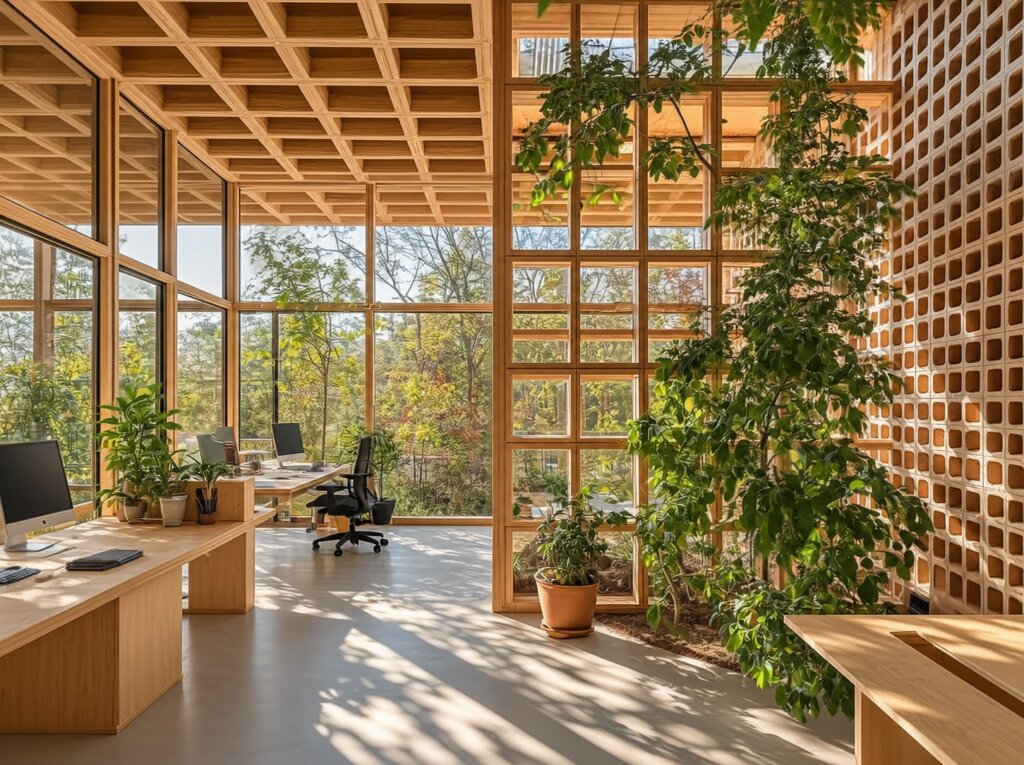
The environments in which we work have a profound influence on how we feel, think and perform. Yet the physical workplace is often overlooked when businesses consider ways to improve productivity, employee satisfaction and long-term performance.
Good workplace design is about far more than aesthetics. It is about creating an environment that supports the people who use it while responding to the practical and commercial needs of the business.
The relationship between people and place
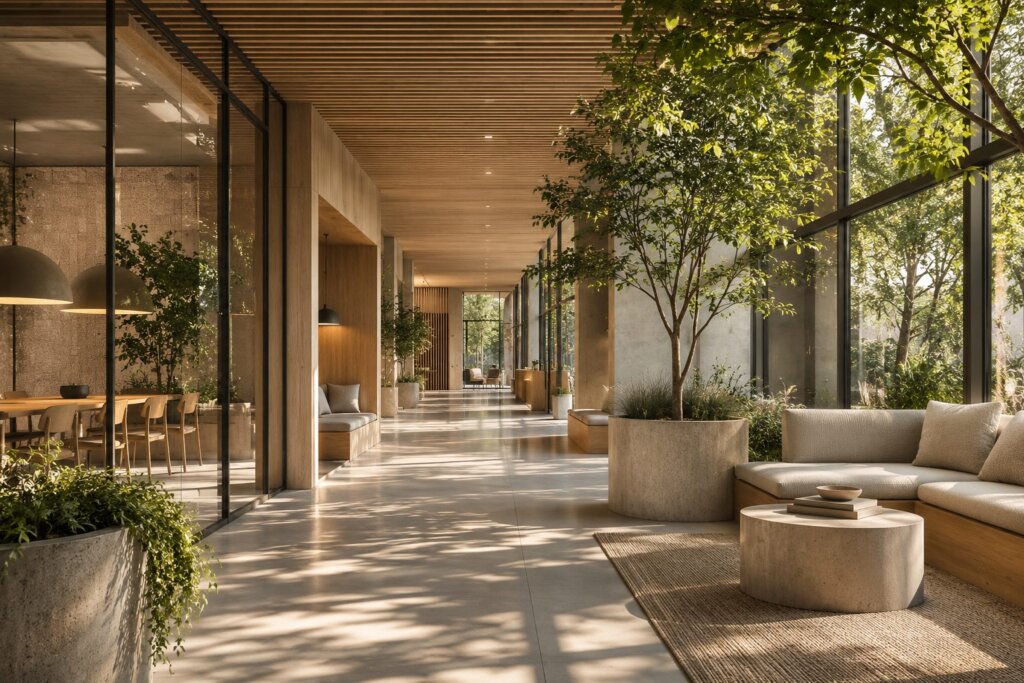
Research published by the World Green Building Council highlights the relationship between office design, employee wellbeing and productivity. Its findings identify natural light, air quality, thermal comfort, acoustics and spatial organisation as important considerations in creating healthier workplaces.
The commercial implications are equally significant. With staff costs typically accounting for approximately 90% of an office-based organisation’s operating expenditure, even relatively modest improvements in employee performance can have meaningful financial value.
This presents an opportunity for businesses to reconsider their workplace as more than an operational necessity, but as an asset that can contribute to their wider success.
Designing environments that work
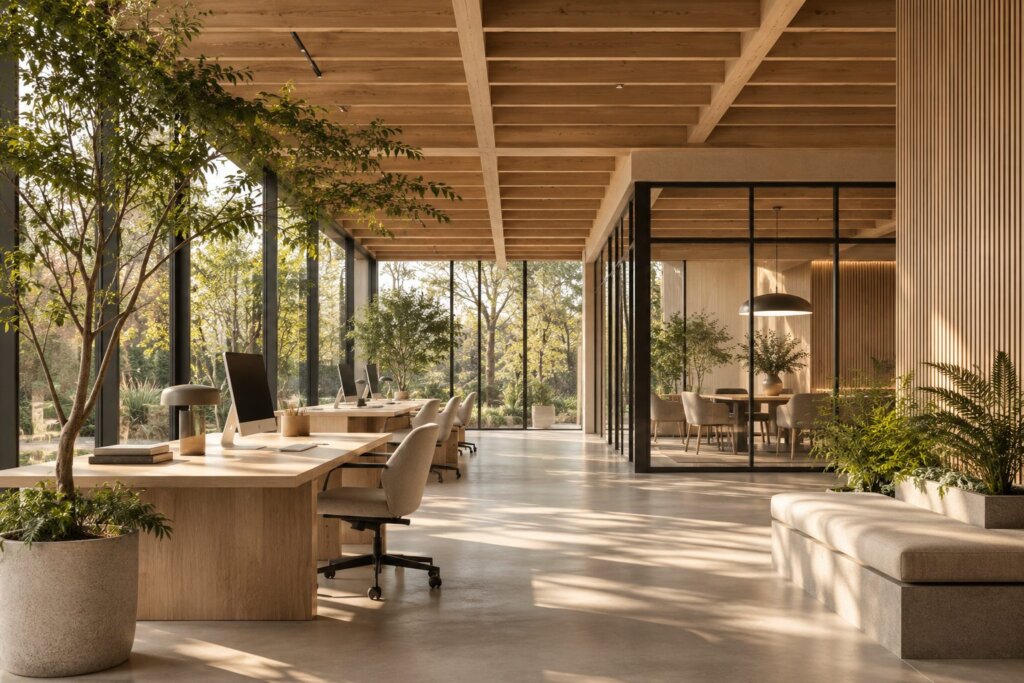
Natural daylight, appropriate ventilation and carefully considered spatial arrangements are fundamental elements of a successful working environment.
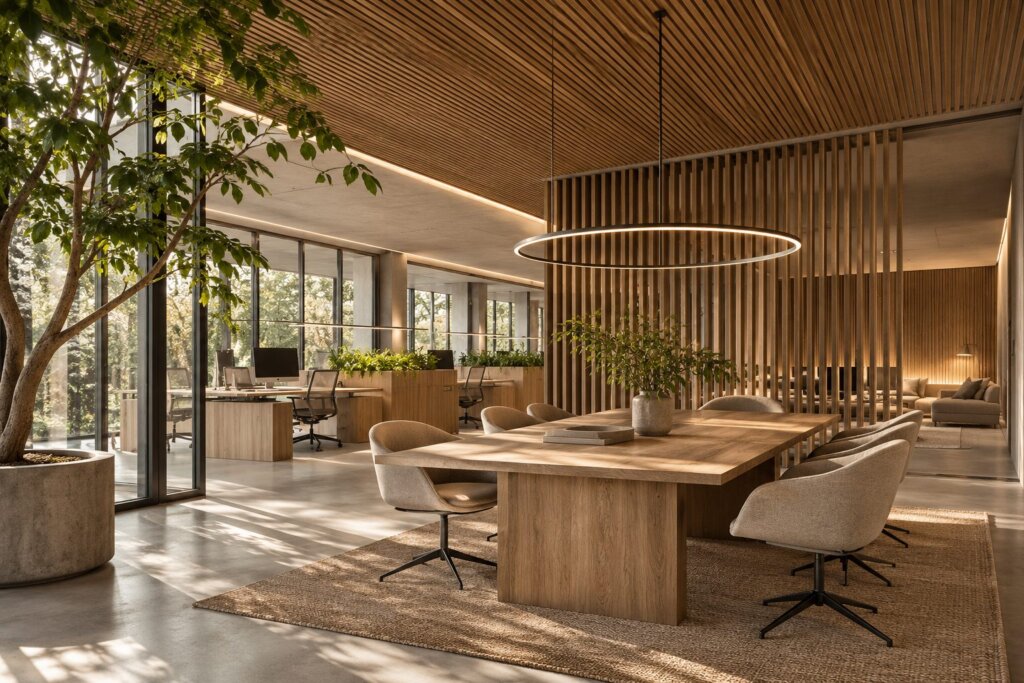
A well-designed workplace should balance opportunities for collaboration with areas for concentration and privacy. Circulation should feel intuitive, lighting should respond to different activities, and acoustics should be considered alongside the materials and finishes that define a space.
Biophilic design introduces another important consideration. By strengthening the connection between people and the natural environment through daylight, planting, natural materials and views, architecture can create spaces that feel calmer and more connected to their surroundings.
These principles are not exclusive to new buildings. Existing workplaces can often benefit from thoughtful adaptations that improve how spaces are experienced and used.
A measurable approach to wellbeing
The relationship between workplace conditions and performance is increasingly supported by scientific research.
Harvard University’s COGfx research found substantially improved cognitive function test scores among participants working in simulated environments with enhanced ventilation and reduced indoor pollutants, compared with conventional conditions.
While individual results will vary between workplaces, the findings reinforce the importance of considering indoor environmental quality as part of the design process.
For employers, this creates opportunities to assess existing working conditions and identify improvements through environmental measurements, employee feedback and workplace performance indicators.
An investment in people and business
For business owners, the challenge is to create an environment that balances employee wellbeing with operational efficiency and commercial objectives.
A successful workplace must respond to all three.
At Tony Ryder Design, we believe thoughtful architecture should support the people who occupy a building as much as the activities taking place within it.
By considering the relationship between light, space, materials, comfort and functionality, we can create environments that are not only visually considered but purposeful in their design.
Because a better working environment is not simply an investment in a building. It is an investment in the people and businesses that depend upon it.
Architectural imagery: Conceptual visualisations created for Tony Ryder Design.